
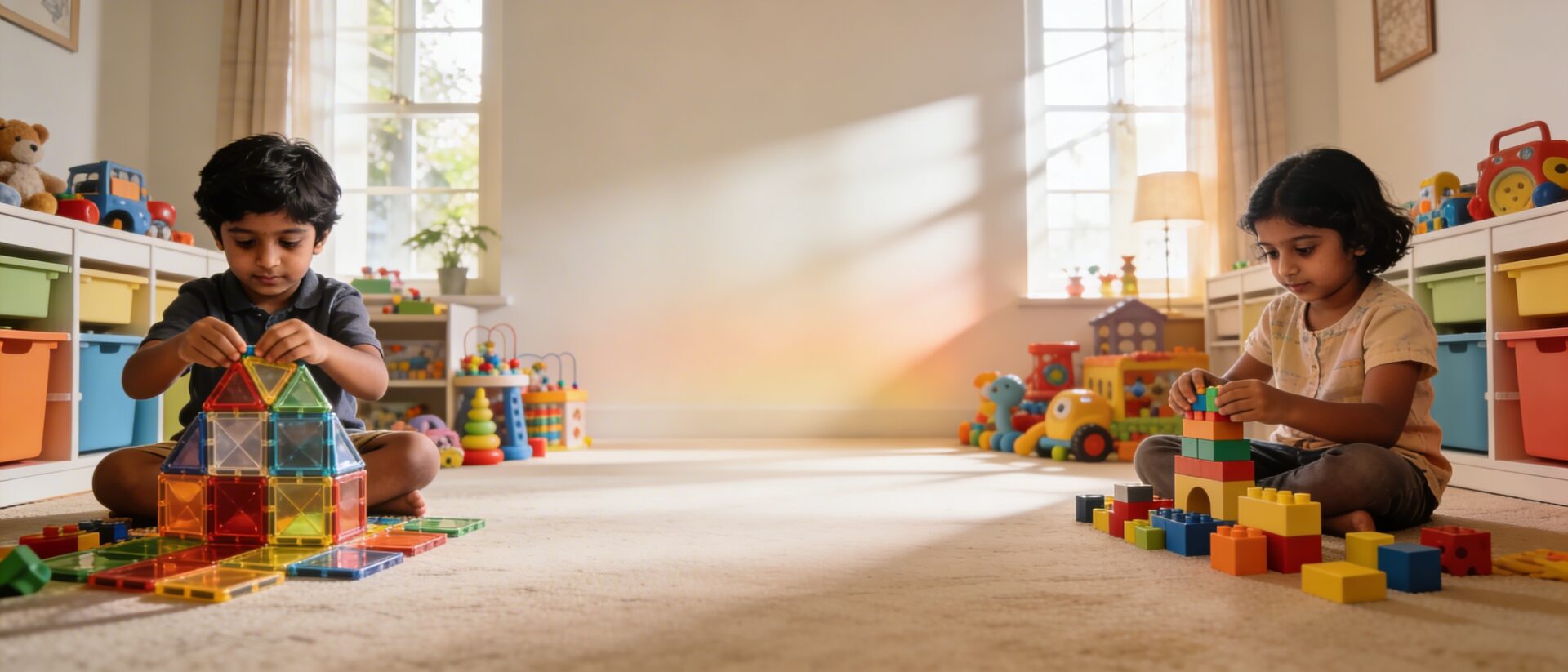
Why Screen-Free Play Matters for Your Child’s Development

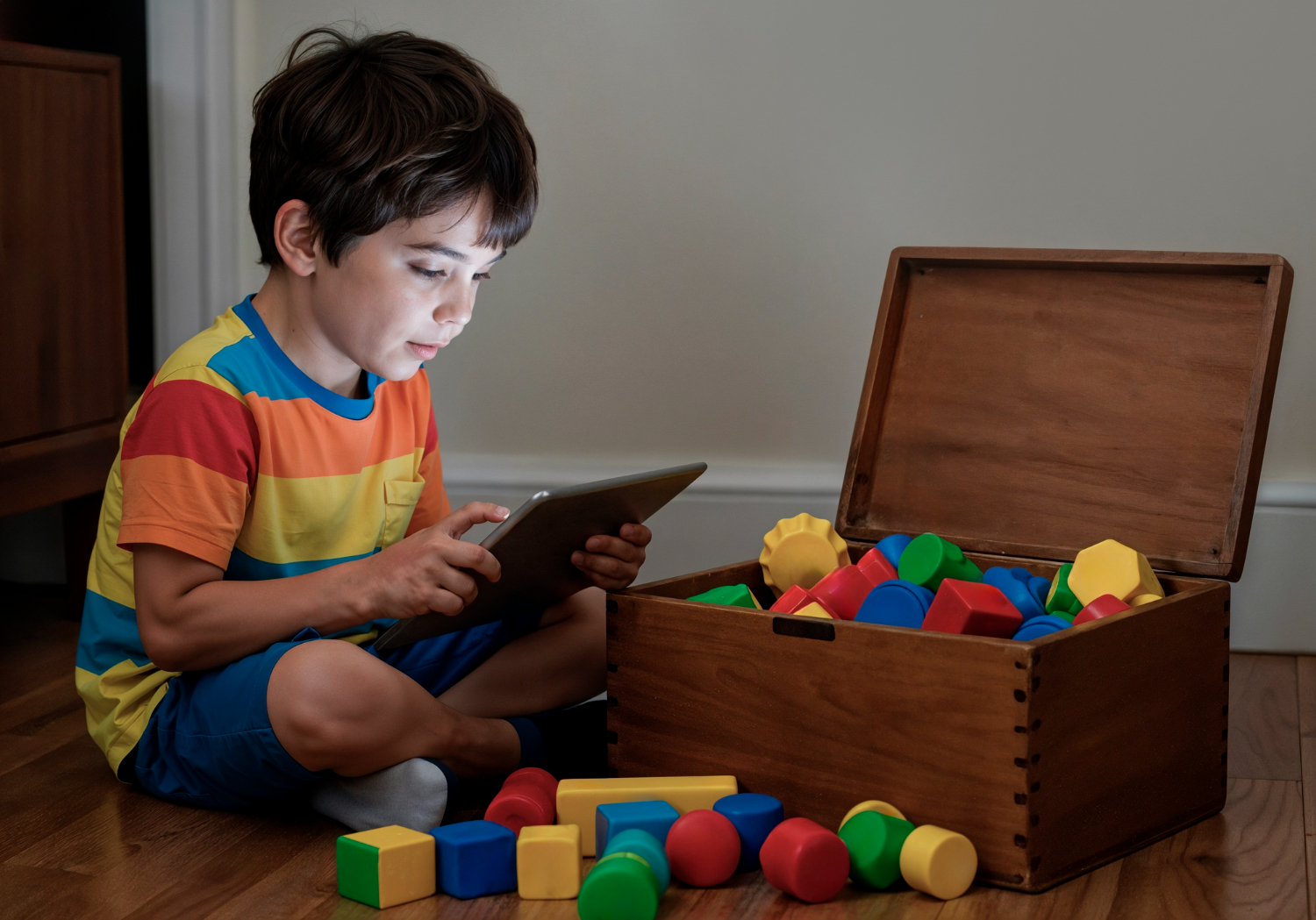
In today’s digital world, children are increasingly exposed to screens from a very young age. While technology has its benefits, excessive screen time can impact a child’s physical, emotional, and cognitive development. This is where screen-free play becomes essential.
Screen-free play encourages children to explore, imagine, and learn through real-world experiences. It helps them develop important life skills while keeping their minds active and engaged.
What is Screen-Free Play?
Screen-free play refers to any activity that does not involve digital devices such as mobile phones, tablets, or televisions. Instead, it focuses on hands-on experiences like building, problem-solving, creative thinking, and physical play.
Toys such as building blocks, memory games, and educational kits provide children with opportunities to learn while having fun—without relying on screens.
Benefits of Screen-Free Play
1. Enhances Creativity and Imagination
When children play without screens, they are free to create their own stories, ideas, and solutions. This helps develop imagination and independent thinking.
2. Improves Focus and Attention
Screen-based activities often provide instant gratification, reducing attention span. In contrast, physical toys and games require patience and concentration, helping children stay focused for longer periods.
3. Supports Cognitive Development
Educational toys encourage problem-solving, logical thinking, and decision-making. These skills are essential for academic and real-life success.
4. Encourages Social Interaction
Screen-free play often involves family members or friends. This promotes communication, teamwork, and emotional bonding.
5. Promotes Physical Activity
Many toys require movement, coordination, and hands-on interaction, helping children stay active and healthy.
The Role of Parents
Parents play a crucial role in encouraging screen-free habits. Setting limits on screen time and introducing engaging toys can make a significant difference.
Simple actions like playing together, choosing the right toys, and creating a dedicated playtime routine can help children naturally move away from screens.
Choosing the Right Toys
Selecting the right toys is key to effective screen-free play. Look for toys that:
- Encourage creativity and imagination
- Support learning and skill development
- Are safe, durable, and age-appropriate
- Promote interaction and engagement
At Mnemora Toys, every product is carefully curated to provide meaningful play experiences that support a child’s growth and development.
Conclusion
Screen-free play is not just about reducing screen time—it’s about creating better learning experiences for children. It helps them grow smarter, more creative, and more confident.
By choosing the right toys and encouraging hands-on play, parents can ensure their children develop essential skills while enjoying every moment of learning.